• Skip to main content
  • Architecture
    • Overview
      Learn about VergeOS’ unique unfied architecture that integrates virtualization, storage, networking, AI, backup and DR into a single data center operating system
    • Infrastructure Wide Deduplication
      VergeOS transforms deduplication from a storage-only commodity into a native, infrastructure-wide capability that spans storage, virtualization, and networking, eliminating hidden resource taxes
    • VergeFS
      VergeFS is a distributed, high-performance global file system integrated into VergeOS, unifying storage across nodes, tiers, and workloads while eliminating the need for external SANs
    • VergeFabric
      VergeFabric is VergeOS’s integrated virtual networking layer, delivering high-speed, low-latency communication across nodes while eliminating the complexity of traditional network configurations.
    • Infrastructure Automation
      VergeOS integrates Packer, Terraform, and Ansible to deliver an end-to-end automation pipeline that eliminates infrastructure drift and enables predictable, scalable deployments.
    • VergeIQ
      Unlock secure, on-premises generative AI—natively integrated into VergeOS. With VergeIQ, your enterprise gains private AI capabilities without the complexity, cloud dependency, or token-based pricing.
  • Features
    • Virtual Data Centers
      A VergeOS Virtual Data Center (VDC) is a fully isolated, self-contained environment within a single VergeOS instance that includes its own compute, storage, networking, and management controls
    • High Availability
      VergeOS provides a unified, easy-to-manage infrastructure that ensures continuous high availability through automated failover, storage efficiency, clone-like snapshots, and simplified disaster recovery
    • ioClone
      ioClone utilizes global inline deduplication and a blockchain-inspired file system within VergeFS to create instant, independent, space-efficient, and immutable snapshots of individual VMs, volumes, or entire virtual data centers.
    • ioReplicate
      ioReplicate is a unified disaster-recovery solution that enables simple, cost-efficient DR testing and failover via three‑click recovery of entire Virtual Data Centers—including VMs, networking, and storage.
    • ioFortify
      ioFortify creates immutable, restorable VDC checkpoints and provides proactive ransomware detection with instant alerts for rapid recovery and response.
    • ioMigrate
      ioMigrate enables large-scale VMware migrations, automating the rehosting of hundreds of VMs (including networking settings) in seconds with minimal downtime by seamlessly transitioning entire VMware environments onto existing hardware stacks.
    • ioProtect
      ioProtect offers near-real-time replication of VMware VMs—including data, network, and compute configurations—to a remote disaster‑recovery site on existing hardware, slashing DR costs by over 60% while supporting seamless failover and testing in an efficient, turnkey VergeOS Infrastructure.
    • ioOptimize
      ioOptimize leverages AI and machine learning to seamlessly integrate new and old hardware and automatically migrate workloads from aging or failing servers.
    • ioGuardian
      ioGuardian is VergeIO’s built-in data protection and recovery capability, providing near-continuous backup and rapid VM recovery during multiple simultaneous drive or server failures.
  • IT Initiatives
    • VMware Alternative
      VergeOS offers seamless migration from VMware, enhancing performance and scalability by consolidating virtualization, storage, and networking into a single, efficient platform.
    • Hyperconverged Alternative
      VergeIO’s page introduces ultraconverged infrastructure (UCI) via VergeOS, which overcomes HCI limitations by supporting external storage, scaling compute and storage independently, using existing hardware, simplifying provisioning, boosting resiliency, and cutting licensing costs.
    • SAN Replacement / Storage Refresh
      VergeIO’s storage by replacing aging SAN/NAS systems within its ultraconverged infrastructure, enhancing security, scalability, and affordability.
    • Infrastructure Modernization
      Legacy infrastructure is fragmented, complex, and costly, built from disconnected components. VergeOS unifies virtualization, storage, networking, data protection, and AI into one platform, simplifying operations and reducing expenses.
    • Virtual Desktop Infrastructure (VDI)
      VergeOS for VDI delivers a faster, more affordable, and easier-to-manage alternative to traditional VDI setups—offering organizations the ability to scale securely with reduced overhead
    • Secure Research Computing
      VergeIO's Secure Research Computing solution combines speed, isolation, compliance, scalability, and resilience in a cohesive platform. It’s ideal for institutions needing segmented, compliant compute environments that are easy to deploy, manage, and recover.
    • Venues, Remote Offices, and Edge
      VergeOS delivers resiliency and centralized management across Edge, ROBO, and Venue environments. With one platform, IT can keep remote sites independent while managing them all from a single pane of glass.
  • Blog
      • How an AI-Powered VMware Alternative WorksAn AI-powered VMware alternative now runs in production. Verge CLI gives VergeOS three parts, a command-line interface, an MCP server, and agent skills, so an AI assistant operates compute, storage, networking, and data protection through one API in plain language. See how it works and why one code base changes the result.
      • Refurbished SSD TelemetryMost refurbished SSD suppliers are reputable, but a reset wear number still worries buyers. Refurbished SSD telemetry settles it. VergeOS measures every drive against its thresholds, flags a worn drive before it fails, and replaces it with the cluster online. Continuous monitoring plus redundancy keeps mislabeled media from costing data.
      • The Value of an Integrated VMware AlternativeNearly every VMware alternative claims to be integrated, but three very different architectures hide behind that word. A hypervisor swap, hyperconverged infrastructure, and ultra-converged infrastructure each carry different costs and operational consequences. The value of an integrated VMware alternative comes down to one question most buyers never ask: how integrated is the code itself?
    • View All Posts
  • Resources
    • Become a Partner
      Get repeatable sales and a platform built to simplify your customers’ infrastructure.
    • Technology Partners
      Learn about our technology and service partners who deliver VergeOS-powered solutions for cloud, VDI, and modern IT workloads.
    • White Papers
      Explore VergeIO’s white papers for practical insights on modernizing infrastructure. Each paper is written for IT pros who value clarity, performance, and ROI.
    • In The News
      See how VergeIO is making headlines as the leading VMware alternative. Industry analysts, press, and partners highlight our impact on modern infrastructure.
    • Press Releases
      Get the latest VergeOS press releases for news on product updates, customer wins, and strategic partnerships.
    • Case Studies
      See how organizations like yours replaced VMware, cut costs, and simplified IT with VergeOS. Real results, real environments—no fluff.
    • Webinars
      Explore VergeIO’s on-demand webinars to get straight-to-the-point demos and real-world infrastructure insights.
    • Documents
      Get quick, no-nonsense overviews of VergeOS capabilities with our datasheets—covering features, benefits, and technical specs in one place.
    • Videos
      Watch VergeIO videos for fast, focused walkthroughs of VergeOS features, customer success, and VMware migration strategies.
    • Technical Documentation
      Access in-depth VergeOS technical guides, configuration details, and step-by-step instructions for IT pros.
  • How to Buy
    • Schedule a Demo
      Seeing is believing, set up a call with one of our technical architects and see VergeOS in action.
    • Versions
      Discover VergeOS’s streamlined pricing and flexible deployment options—whether you bring your own hardware, choose a certified appliance, or run it on bare metal in the cloud.
    • Test Drive – No Hardware Required
      Explore VergeOS with VergeIO’s hands-on labs and gain real-world experience in VMware migration and data center resiliency—no hardware required
  • Company
    • About VergeIO
      Learn who we are, what drives us, and why IT leaders trust VergeIO to modernize and simplify infrastructure.
    • Support
      Get fast, expert help from VergeIO’s support team—focused on keeping your infrastructure running smoothly.
    • Careers
      Join VergeIO and help reshape the future of IT infrastructure. Explore open roles and growth opportunities.
  • 855-855-8300
  • Contact
  • Search
  • 855-855-8300
  • Contact
  • Search
  • Architecture
    • Overview
    • VergeFS
    • VergeFabric
    • Infrastructure Automation
    • VergeIQ
  • Features
    • Virtual Data Centers
    • High Availability
    • ioClone
    • ioReplicate
    • ioFortify
    • ioMigrate
    • ioProtect
    • ioOptimize
    • ioGuardian
  • IT Initiatives
    • VMware Alternative
    • Hyperconverged Alternative
    • SAN Replacement / Storage Refresh
    • Infrastructure Modernization
    • Virtual Desktop Infrastructure (VDI)
    • Secure Research Computing
    • Venues, Remote Offices, and Edge
  • Blog
  • Resources
    • Become a Partner
    • Technology Partners
    • White Papers
    • In The News
    • Press Releases
    • Case Studies
    • Webinars
    • Documents
    • Videos
    • Technical Documentation
  • How to Buy
    • Schedule a Demo
    • Versions
    • Test Drive – No Hardware Required
  • Company
    • About VergeIO
    • Support
    • Careers
×
  • Architecture
    • Overview
    • VergeFS
    • VergeFabric
    • Infrastructure Automation
    • VergeIQ
  • Features
    • Virtual Data Centers
    • High Availability
    • ioClone
    • ioReplicate
    • ioFortify
    • ioMigrate
    • ioProtect
    • ioOptimize
    • ioGuardian
  • IT Initiatives
    • VMware Alternative
    • Hyperconverged Alternative
    • SAN Replacement / Storage Refresh
    • Infrastructure Modernization
    • Virtual Desktop Infrastructure (VDI)
    • Secure Research Computing
    • Venues, Remote Offices, and Edge
  • Blog
  • Resources
    • Become a Partner
    • Technology Partners
    • White Papers
    • In The News
    • Press Releases
    • Case Studies
    • Webinars
    • Documents
    • Videos
    • Technical Documentation
  • How to Buy
    • Schedule a Demo
    • Versions
    • Test Drive – No Hardware Required
  • Company
    • About VergeIO
    • Support
    • Careers
Live Webinar · Thursday, June 11, 2026

Beyond the Hypervisor Swap: A Deep Dive into the VergeOS Architecture

If you read The Register and Blocks and Files, you already know the data center stack is in motion. Renewals, ransomware, storage refresh cycles, and the AI bill all land at the same desk. Kit Colbert joins Greg Campbell on one broadcast, a rare chance to hear from two influential infrastructure software architects on what comes next.

June 11, 2026
1:00 PM ET · 45 minutes
Live Architecture Walkthrough

Your Presenters

Greg Campbell

Speaker

Greg Campbell

CTO & Founder
VergeIO

Kit Colbert

Guest Speaker

Kit Colbert

Former CTO
VMware
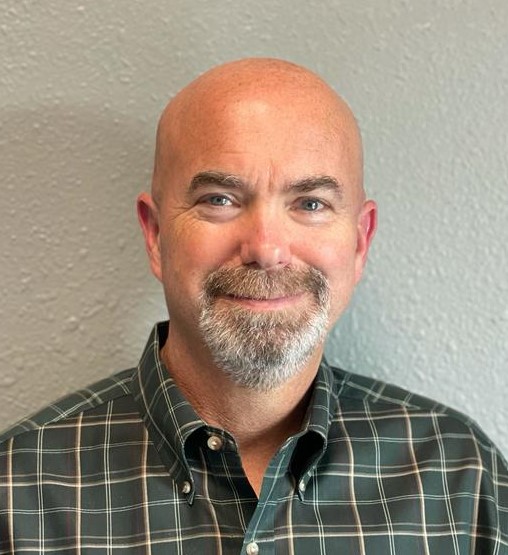
George Crump

Moderator

George Crump

CMO, VergeIO
Founder, Storage Switzerland

Aaron Richman

Host

Aaron Richman

Field Evangelist
VergeIO

Session Agenda

What Greg and Kit Will Cover

Most coverage of the post-VMware market stops at pricing and licensing. This session goes underneath the renewal math to the architecture itself. Greg walks through the design choices that define a Private Cloud Operating System, and Kit compares them line by line to the hypervisor-plus-array-plus-network-plus-management stack the data center has run for fifteen years.

Architect

Why a Like-for-Like Swap Falls Short

Replacing the hypervisor leaves the storage array, the network controller, and the management plane in place. That is where the cost and the operational drag live.

Foundation

One Code Base, No Bolt-Ons

How virtualization, storage, networking, and tenancy run as native functions in a single operating system instead of as four products integrated through a vendor SKU.

Storage

Data Services in the OS

Snapshots, replication, deduplication, and ransomware detection as native services. No third-party array. No separate backup product. No SAN refresh.

Demo

A Working System Under Load

A live walkthrough of the parts Greg is most proud of on the 2026 build. Kit reacts in real time, comparing each design choice against the data center patterns he has spent a career inside.

Roadmap

Containers and AI Without a Forklift

How the same code base absorbs containers and AI workloads. What that means for hardware refresh cycles and the next round of licensing math.

Live Q&A

Architect-to-Architect

Bring your hard questions. Greg and Kit answer them live alongside George, who has spent 20 years analyzing infrastructure platforms.

Who Should Attend

For the People Who Run the Data Center

This session is built for the audience The Register and Blocks and Files reach every day. Data center architects, storage engineers, virtualization leads, infrastructure ops directors, and the in-house experts everyone else turns to when the renewal quote, the ransomware report, or the next AI cluster request lands. The conversation does not pretend the last fifteen years did not happen. It uses what you already know about hypervisors, arrays, and network controllers as the starting point and walks through what a unified operating system changes about each one.

If you have spent the last two years modeling VMware renewal scenarios, costing out a storage refresh, or fielding board questions about what AI does to your power budget, this session puts a different architectural model on the comparison sheet.

4 Stack layers collapsed into one code base
0 Third-party storage, networking, or backup products required
Minutes Recovery window after a ransomware event
2 Influential infrastructure architects on one broadcast
About VergeOS

A Private Cloud Operating System

VergeOS is a private cloud operating system, or PCOS. A traditional virtualization stack runs a hypervisor from one vendor, a storage controller from a second, a software-defined network from a third, and a management plane from a fourth. VergeOS replaces all four with a single codebase in which virtualization, storage, networking, and tenancy are native functions. Competitors wrap separate products behind a single GUI and call it integration. VergeOS is integrated in the code itself. The architecture supports a VMware exit today and lays the foundation for containers and AI.

The operational impact is direct. Fewer teams run the environment, license costs no longer compound, and performance improves on existing hardware that stays in service longer. Snapshots, replication, and tenant isolation are native, not bolted on. Ransomware is detected quickly, and recovery completes in minutes.

The Live Tour

Greg Demos a Real System, Kit Reacts in Real Time

The middle of the session is a live tour of a running 2026 build. Greg picks the parts of VergeOS he is most proud of and shows them under load. This is not a feature checklist. It is the engineer showing you the work he wanted to do most, and explaining why each one mattered enough to build.

Expect time inside the data services, the resilience model, and the unified management interface. Greg shows what each one looks like when something fails and what the experience replaces in a traditional hypervisor-plus-array-plus-network stack. Kit reacts in real time, comparing the design choices against the data center patterns most readers of The Register and Blocks and Files have run in production for years.

About the Architects

Greg Campbell and Kit Colbert

Kit Colbert spent more than a decade defining what enterprise virtualization looked like at VMware, most recently as Chief Technology Officer. He shaped the architectural direction that the data center industry has run, written about, and debated for years. Greg Campbell spent the same period building a different answer to the same set of architectural problems as the founder and chief architect of VergeIO.

Greg designed VergeOS from the first line of code. His background spans more than two decades of operating system design, distributed storage, and virtualization. He does not show up to webinars to read slides. He shows up to defend design decisions, answer architectural questions, and explain the trade-offs that shape the product.

On this broadcast they sit on the same screen. The result is the kind of side-by-side architectural comparison the data center press rarely gets in one session.

Register for the Live Session

June 11, 2026 · 1:00 PM ET · On-demand recording available

This field is hidden when viewing the form
Name(Required)

VergeIO's Inbox Respect Policy: We will send you no more than two e-mails per month

On-demand recording Live Q&A

Beyond the Hypervisor Swap · June 11, 2026 · 1:00 PM ET

On-demand recording available · Hosted by VergeIO

Schedule a Technical Demo

855-855-8300

Get Started

  • Versions
  • Request Tour

VergeIO For

  • VMware Alternative
  • SAN Replacement
  • Solving Infrastructure Modernization Challenges
  • Artificial Intelligence
  • Hyperconverged
  • Server Room
  • Secure Research Computing

Product

  • Benefits
  • Documents
  • Architecture Overview
  • Use Cases
  • Videos

Company

  • About VergeIO
  • Blog
  • Technical Documentation
  • Legal

© 2026 VergeIO. All Rights Reserved.