Blog / Private Cloud

Blog

Stay in the know with insights from industry experts.

All Private Cloud Posts

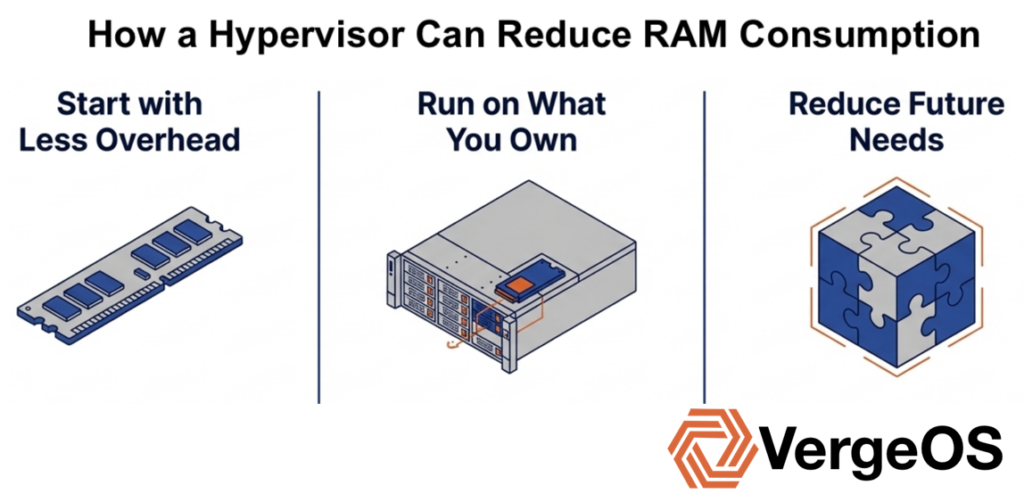
How a Hypervisor Can Reduce RAM Consumption

The Memory and Flash Supercycle raised the bar on what a VMware alternative must deliver. The right hypervisor does not just cost less to license — it must reduce RAM consumption per host, require fewer servers, and lower flash storage costs.
From VMware to Private Cloud

The conventional wisdom for moving from VMware to private cloud is swapping hypervisors. The better path consolidates infrastructure into integrated platforms. Organizations running four or more servers gain unified management, hardware flexibility, and efficiency improvements that hypervisor replacement cannot deliver.

What is a Private Cloud OS?

Most VMware alternatives focus on hypervisor swaps. That preserves expensive storage arrays, proprietary networking, and complex operations costing 5X more than licensing. A Private Cloud OS virtualizes the entire data center as one system, eliminating complexity rather than hiding it behind automation.

VxRail Alternatives and VMware Exits

Dell directs VxRail customers toward Dell Private Cloud, which reintroduces infrastructure complexity by requiring new servers and external storage arrays. VergeOS runs on existing VxRail hardware, consolidating VMware, vSAN, and networking into a single unified platform without requiring hardware replacement or storage migration projects.

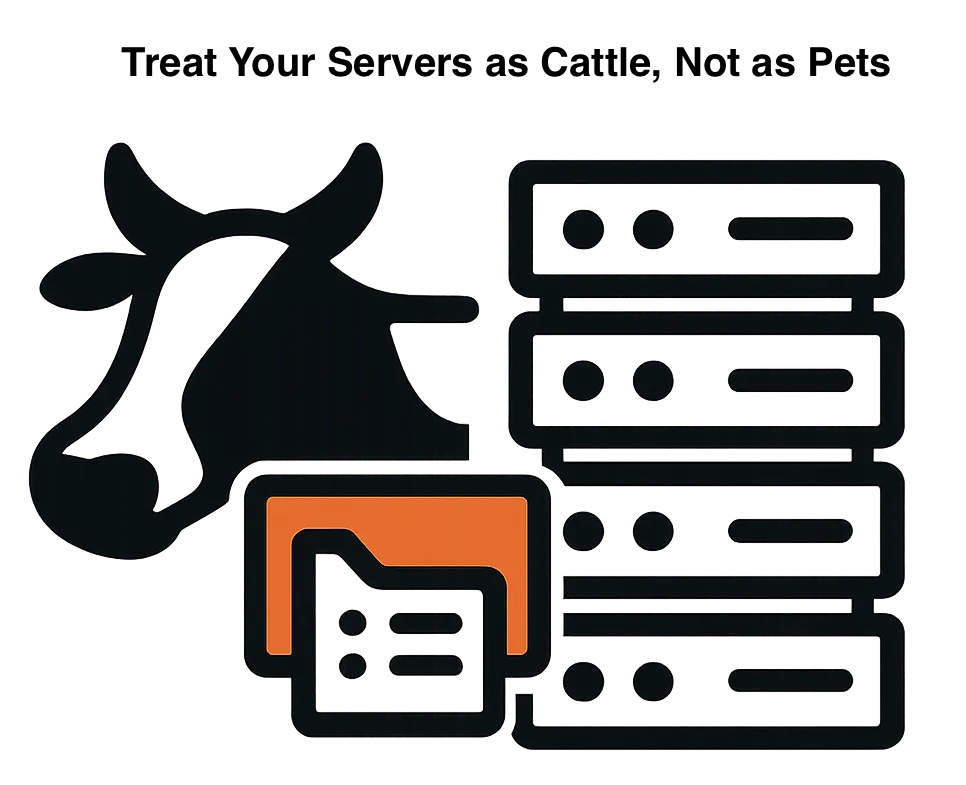
The Servers-As-Cattle Model

The servers-as-cattle model keeps hardware in service until it reaches the end of its usable life, not the end of a vendor refresh cycle. VergeOS makes this possible by running mixed servers from different generations and suppliers inside the same instance, lowering costs and breaking dependence on rigid compatibility lists.

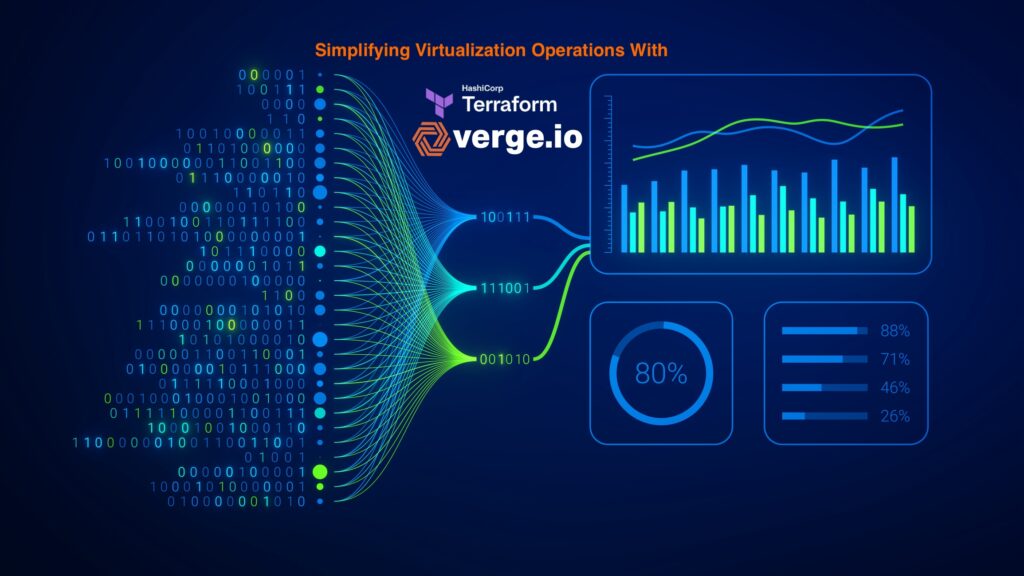
Simplifying Virtualization Operations

VergeIO’s Terraform integration is simplifying virtualization operations by combining the power of VergeOS with Terraform’s infrastructure-as-code capabilities. This integration simplifies the deployment, automation, and management of virtual environments, making it easier for IT administrators to achieve consistent and efficient infrastructure control across all environments.