Beyond the Hypervisor Swap: A Deep Dive into the VergeOS Architecture
If you read The Register and Blocks and Files, you already know the data center stack is in motion. Renewals, ransomware, storage refresh cycles, and the AI bill all land at the same desk. Kit Colbert joins Greg Campbell on one broadcast, a rare chance to hear from two influential infrastructure software architects on what comes next.
Your Presenters
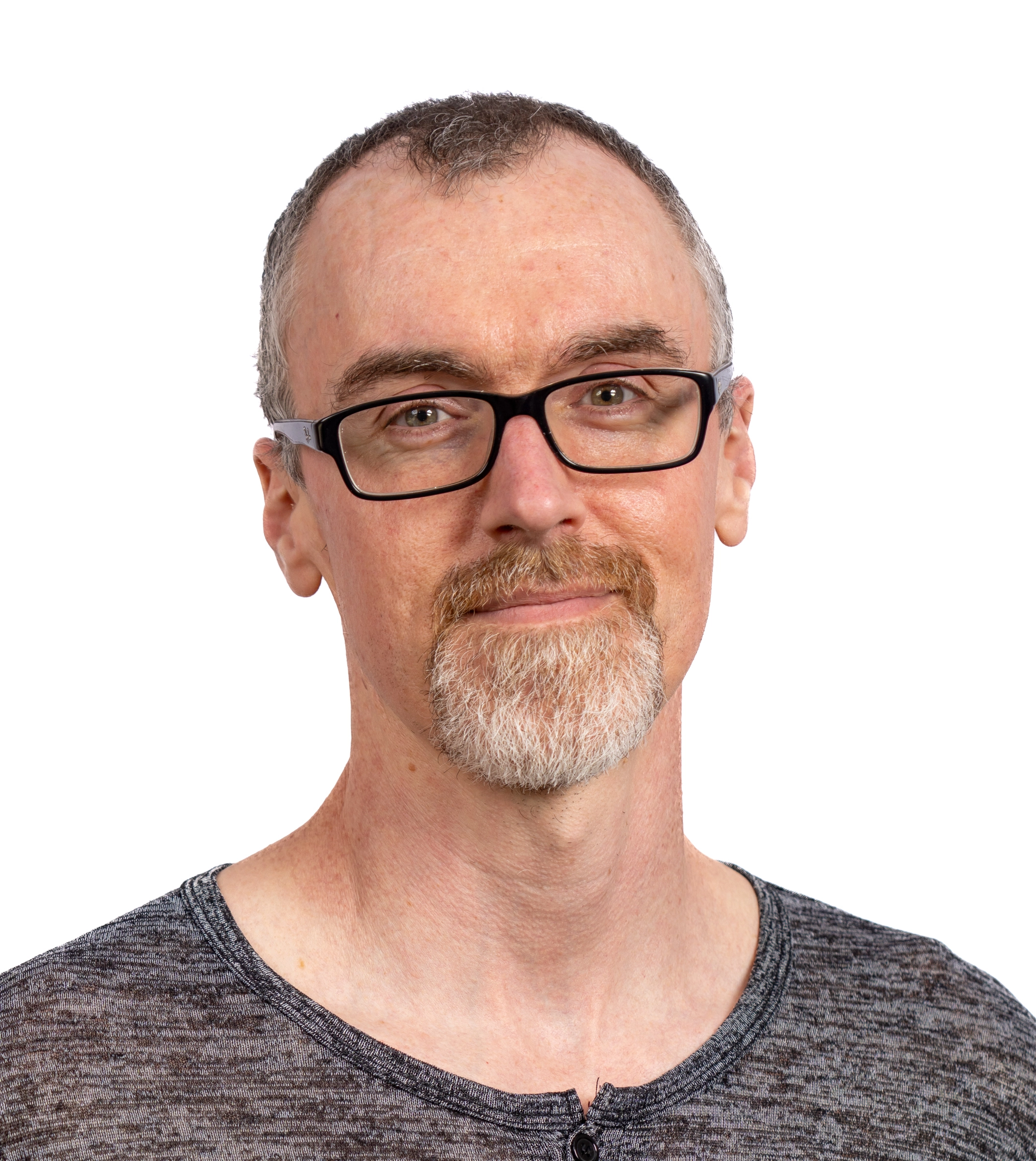
Speaker
Greg Campbell
CTO & Founder
VergeIO
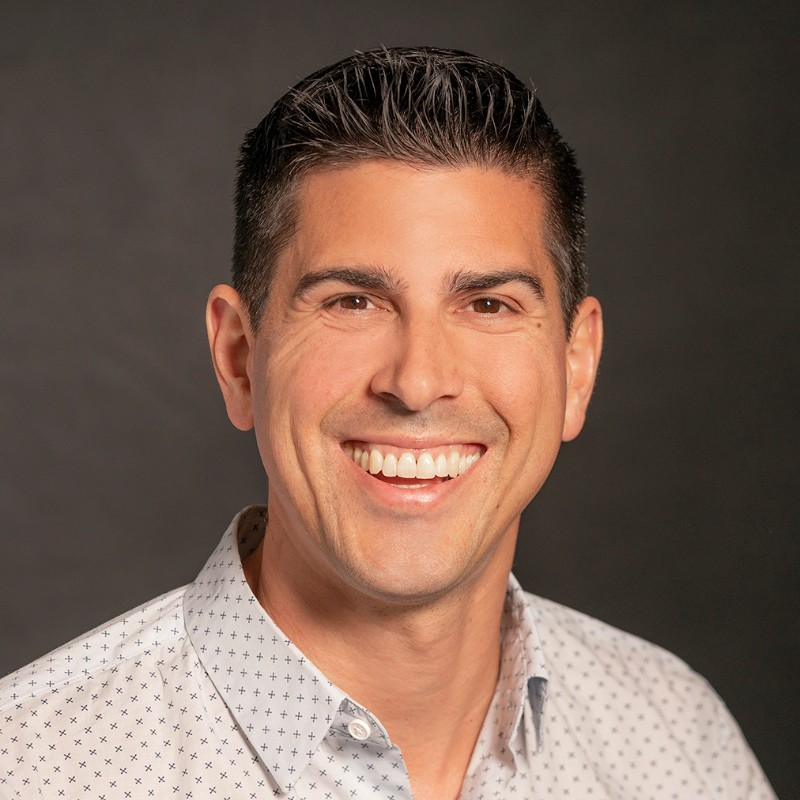
Guest Speaker
Kit Colbert
Former CTO
VMware
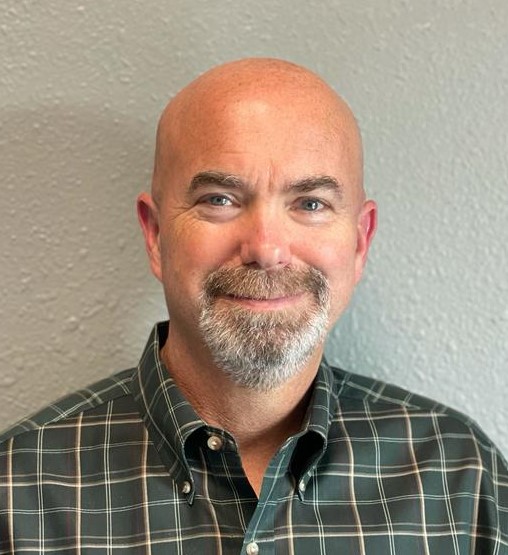
Moderator
George Crump
CMO, VergeIO
Founder, Storage Switzerland
Host
Aaron Richman
Field Evangelist
VergeIO
What Greg and Kit Will Cover
Most coverage of the post-VMware market stops at pricing and licensing. This session goes underneath the renewal math to the architecture itself. Greg walks through the design choices that define a Private Cloud Operating System, and Kit compares them line by line to the hypervisor-plus-array-plus-network-plus-management stack the data center has run for fifteen years.
Why a Like-for-Like Swap Falls Short
Replacing the hypervisor leaves the storage array, the network controller, and the management plane in place. That is where the cost and the operational drag live.
One Code Base, No Bolt-Ons
How virtualization, storage, networking, and tenancy run as native functions in a single operating system instead of as four products integrated through a vendor SKU.
Data Services in the OS
Snapshots, replication, deduplication, and ransomware detection as native services. No third-party array. No separate backup product. No SAN refresh.
A Working System Under Load
A live walkthrough of the parts Greg is most proud of on the 2026 build. Kit reacts in real time, comparing each design choice against the data center patterns he has spent a career inside.
Containers and AI Without a Forklift
How the same code base absorbs containers and AI workloads. What that means for hardware refresh cycles and the next round of licensing math.
Architect-to-Architect
Bring your hard questions. Greg and Kit answer them live alongside George, who has spent 20 years analyzing infrastructure platforms.
For the People Who Run the Data Center
This session is built for the audience The Register and Blocks and Files reach every day. Data center architects, storage engineers, virtualization leads, infrastructure ops directors, and the in-house experts everyone else turns to when the renewal quote, the ransomware report, or the next AI cluster request lands. The conversation does not pretend the last fifteen years did not happen. It uses what you already know about hypervisors, arrays, and network controllers as the starting point and walks through what a unified operating system changes about each one.
If you have spent the last two years modeling VMware renewal scenarios, costing out a storage refresh, or fielding board questions about what AI does to your power budget, this session puts a different architectural model on the comparison sheet.
A Private Cloud Operating System
VergeOS is a private cloud operating system, or PCOS. A traditional virtualization stack runs a hypervisor from one vendor, a storage controller from a second, a software-defined network from a third, and a management plane from a fourth. VergeOS replaces all four with a single codebase in which virtualization, storage, networking, and tenancy are native functions. Competitors wrap separate products behind a single GUI and call it integration. VergeOS is integrated in the code itself. The architecture supports a VMware exit today and lays the foundation for containers and AI.
The operational impact is direct. Fewer teams run the environment, license costs no longer compound, and performance improves on existing hardware that stays in service longer. Snapshots, replication, and tenant isolation are native, not bolted on. Ransomware is detected quickly, and recovery completes in minutes.
Greg Demos a Real System, Kit Reacts in Real Time
The middle of the session is a live tour of a running 2026 build. Greg picks the parts of VergeOS he is most proud of and shows them under load. This is not a feature checklist. It is the engineer showing you the work he wanted to do most, and explaining why each one mattered enough to build.
Expect time inside the data services, the resilience model, and the unified management interface. Greg shows what each one looks like when something fails and what the experience replaces in a traditional hypervisor-plus-array-plus-network stack. Kit reacts in real time, comparing the design choices against the data center patterns most readers of The Register and Blocks and Files have run in production for years.
Greg Campbell and Kit Colbert
Kit Colbert spent more than a decade defining what enterprise virtualization looked like at VMware, most recently as Chief Technology Officer. He shaped the architectural direction that the data center industry has run, written about, and debated for years. Greg Campbell spent the same period building a different answer to the same set of architectural problems as the founder and chief architect of VergeIO.
Greg designed VergeOS from the first line of code. His background spans more than two decades of operating system design, distributed storage, and virtualization. He does not show up to webinars to read slides. He shows up to defend design decisions, answer architectural questions, and explain the trade-offs that shape the product.
On this broadcast they sit on the same screen. The result is the kind of side-by-side architectural comparison the data center press rarely gets in one session.
Register for the Live Session
June 11, 2026 · 1:00 PM ET · On-demand recording available