Automated Infrastructure
Packer, Terraform, and Ansible Integration for VergeOS
An Integrated Infrastructure Operating System That Makes Automation a Reality
Build a Predictable and Automated Infrastructure Pipeline
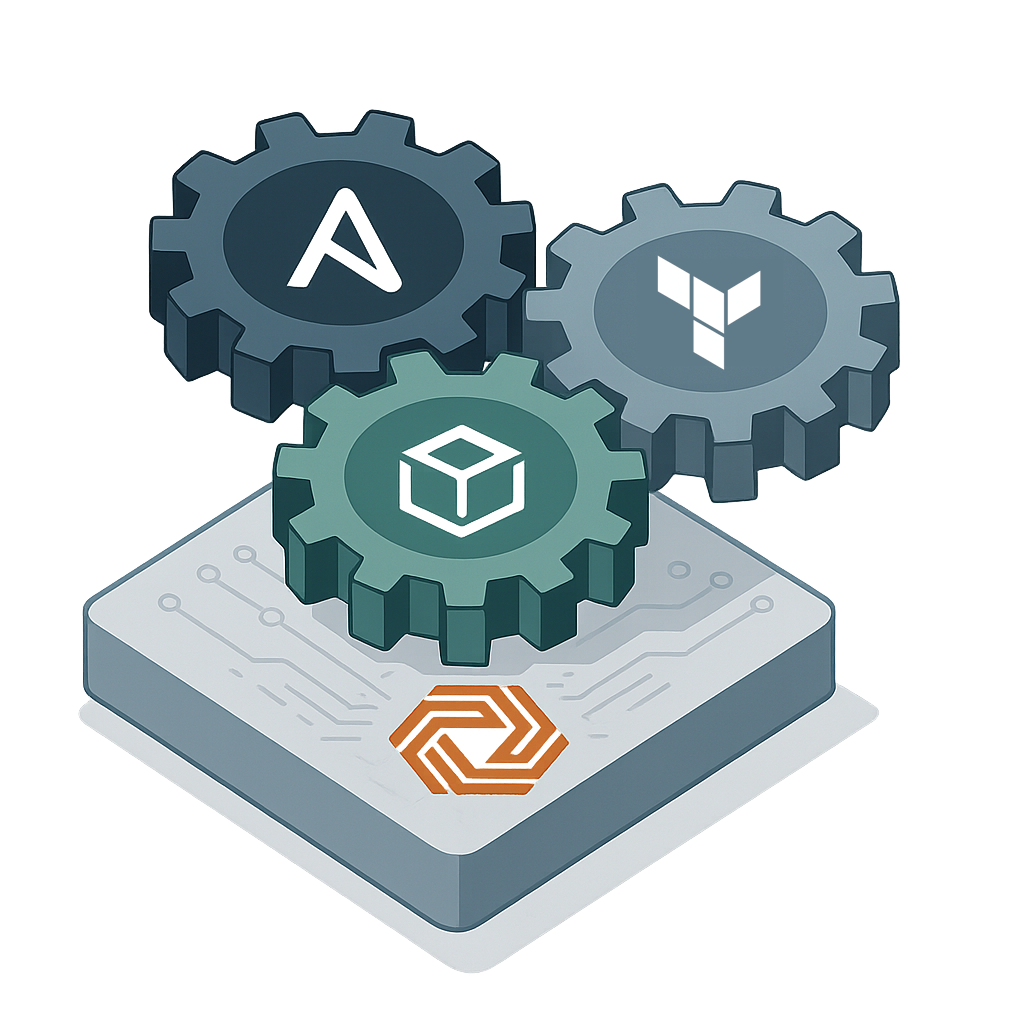
Modern IT teams want predictable deployments, consistent environments, and a reliable model for scaling infrastructure without expanding headcount. Traditional infrastructure automation workflows make this problematic. Multiple APIs make cross-functional automation complex; templates age, scripts break, and manual provisioning introduces drift that spreads across clusters and regions.
VergeOS Supports Packer, Terraform, Ansible
VergeOS now supports Packer, Terraform, and Ansible, as first-class automation tools. Together, they form the backbone of an end-to-end automation chain that eliminates drift, standardizes deployments, and strengthens long-term operational discipline.
Join VergeIO for a deep-dive session introducing the new automation capabilities coming to VergeOS, including support for Packer and Ansible. This webinar explains how these additions create an end-to-end infrastructure automation chain that helps Enterprise IT and CSPs deploy infrastructure with consistency, clarity, and speed. Register Here
Automation Begins with the Image Pipeline
Packer Integration with VergeOS
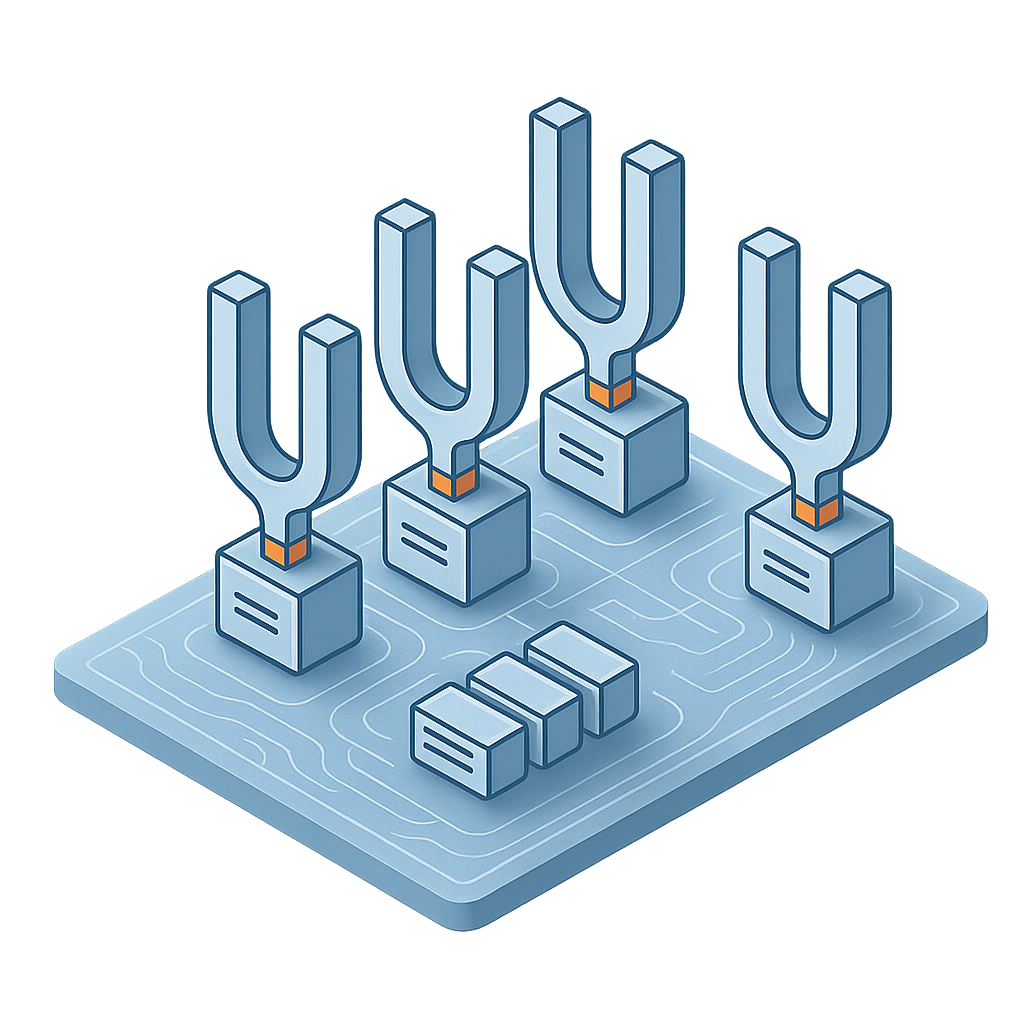
An infrastructure platform becomes predictable only when every VM begins with a consistent baseline. Packer formalizes this process by treating the base image as code.
With VergeOS Packer integration, teams can:
- Build version-controlled images for Linux and Windows
- Embed early configuration elements such as agents, logging utilities, time sync policies, and hypervisor integration hooks
- Track updates through Git to maintain a clear lineage of every deployed VM
- Align image refresh cycles with patch windows and release schedules
- Reduce downstream configuration work by standardizing the starting point
A controlled image pipeline eliminates one-off templates and removes uncertainty as environments expand or modernize.
Listen to our Deepdive to hear how VergeOS Enhances Automation after a VMware Exit.
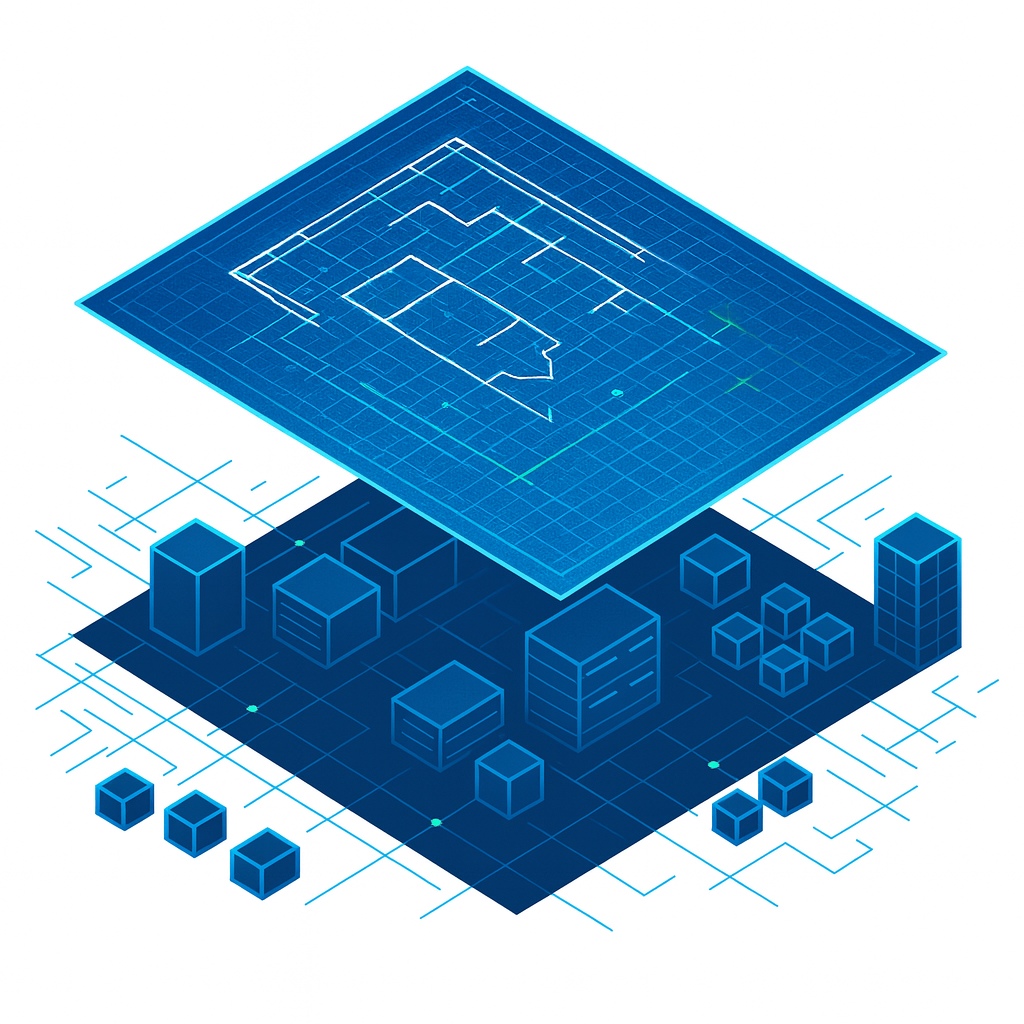
Images establish the foundation, but the infrastructure that supports them must be reliable and repeatable. Terraform turns infrastructure into code so it can be deployed, updated, and audited with precision.
With Terraform on VergeOS, teams can:
- Define VDCs, networks, subnets, storage policies, and VM specifications in code
- Rebuild or modify infrastructure predictably based on the declared state
- Deploy multi-cluster or multi-region environments from a single module set
- Version-control infrastructure definitions for traceability and governance
- Integrate seamlessly with Packer-built images and Ansible configuration workflows
Terraform ensures that every deployment—whether new capacity, a fresh cluster, or a DR site—follows the same consistent blueprint.
Confidently Define and Deploy Infrastructure
Terraform Integration with VergeOS
Configuration without Drift
Ansible Integration with VergeOS
Even the best infrastructure and image pipelines require consistent configuration. Scripts help temporarily but often fail at scale or during change. Ansible provides code-driven configuration that remains repeatable across environments and over time.
With VergeOS Ansible integration, teams can:
- Apply OS hardening and security baselines
- Deploy application stacks, middleware, and services
- Enforce repeatable configuration across clusters
- Use Terraform’s inventory output to accurately target hosts
- Track changes through version control for auditability and compliance
Ansible removes configuration drift, stabilizes runtime environments, and creates a durable, testable configuration layer.
The End-to-End Automation Chain
How Packer, Terraform, and Ansible Work Together
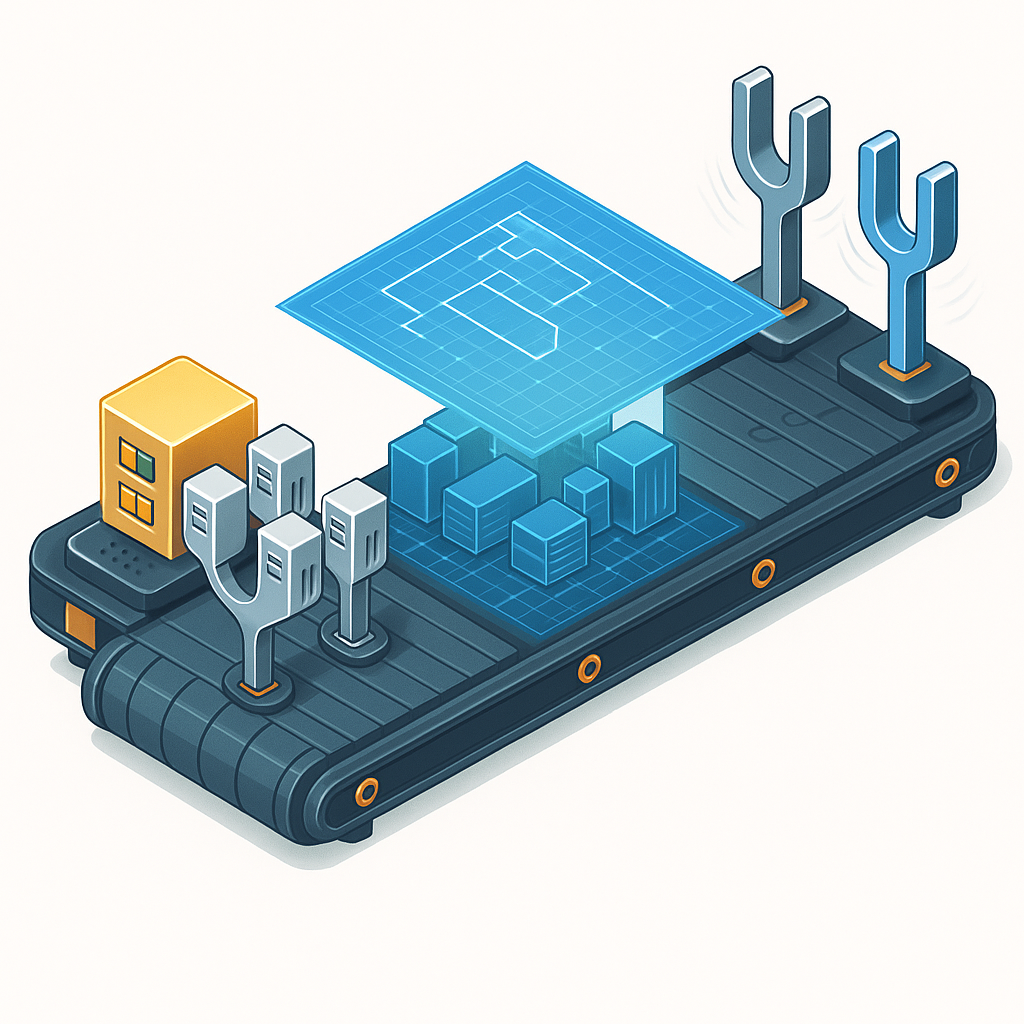
Each tool individually improves part of the environment. Together, they form a complete automation pipeline:
1. Packer builds a controlled, versioned golden image.
2. Terraform deploys infrastructure using that image and defines its resources.
3. Ansible configures the operating system and applications after provisioning.
Each stage outputs a controlled artifact. Each update follows a defined lifecycle. The virtual environment gains structure rather than accumulating exceptions.
Unified Infrastructure OS Enables the Pipeline
VergeOS as the Substrate for Predictable Automation
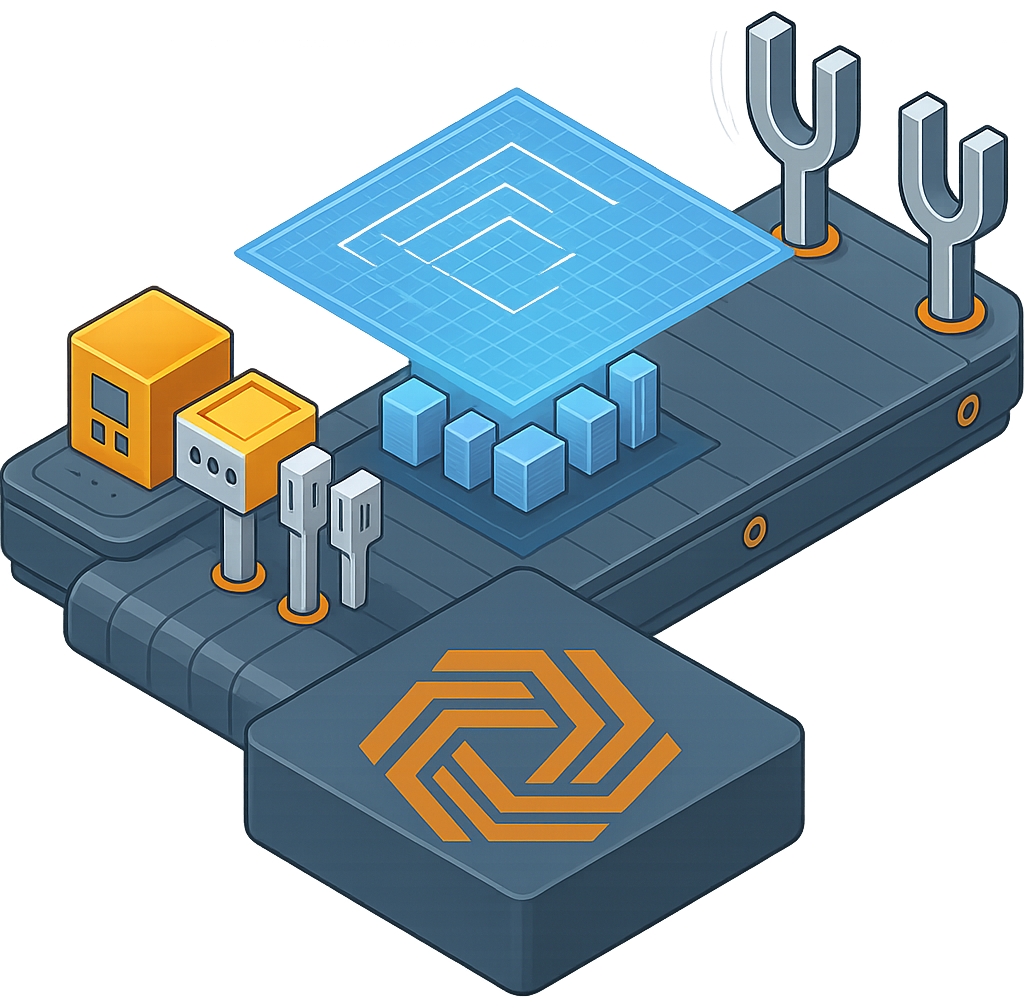
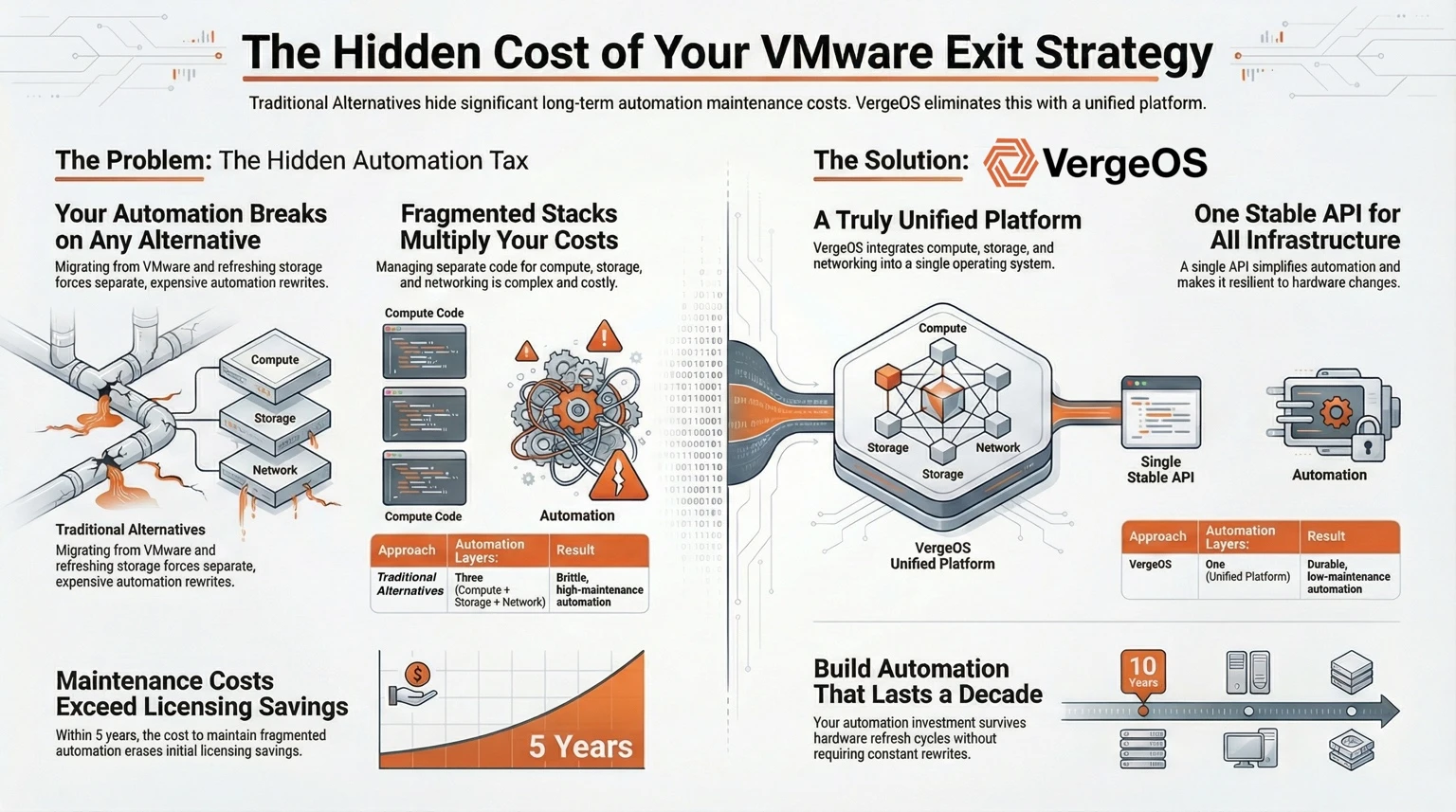
Traditional virtualization stacks rely on external storage arrays, distributed switches, and separate management planes. Automation must account for the inconsistencies each component introduces. Drift grows, and pipelines become brittle.
VergeOS eliminates these variables.
By unifying compute, storage, and networking into a single infrastructure operating system, VergeOS:
- Removes dependency on external arrays and fabrics
- Reduces the number of resource definitions Terraform must manage
- Simplifies Packer images due to fewer hypervisor-specific adjustments
- Ensures consistent network and storage behavior across nodes
- Gives Packer, Terraform, and Ansible a stable, predictable foundation
Automation becomes easier to adopt and more resilient across hardware generations, cluster expansions, and DR regions.
Exit VMware to an Easily Automated Infrastructure
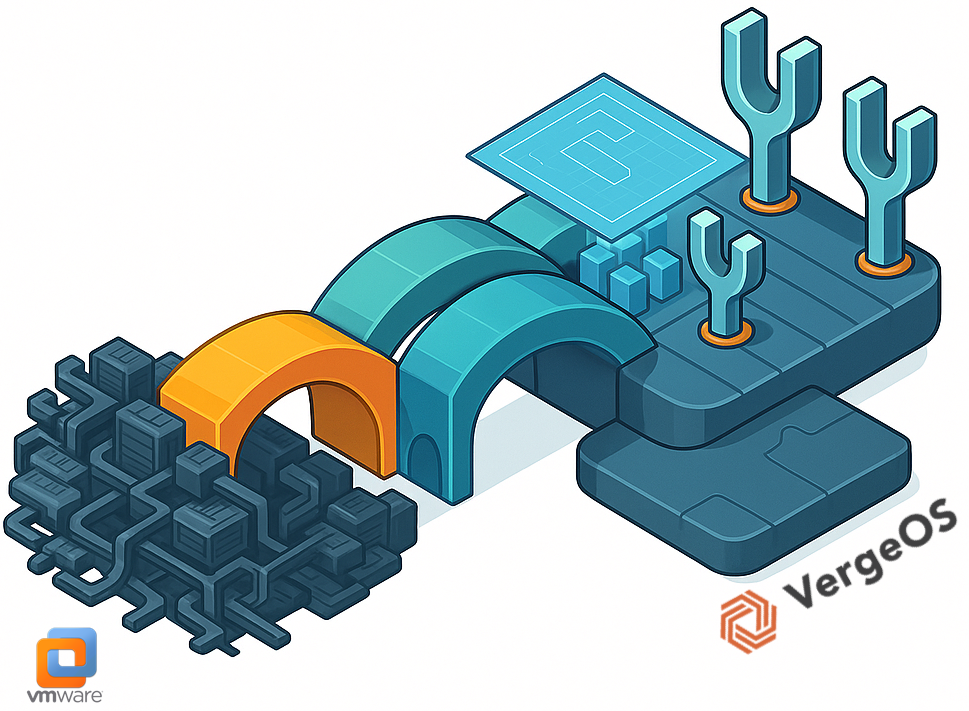
Organizations leaving VMware need more than just a new hypervisor—they need a disciplined operational model to prevent drift from returning. VergeOS, paired with Packer, Terraform, and Ansible, delivers that model.
The automation pipeline provides:
- Defined image lineage
- Repeatable infrastructure blueprints
- Consistent configuration across environments
- Predictable deployment and recovery behavior
Teams gain a modern platform and a lifecycle that preserves order at scale.
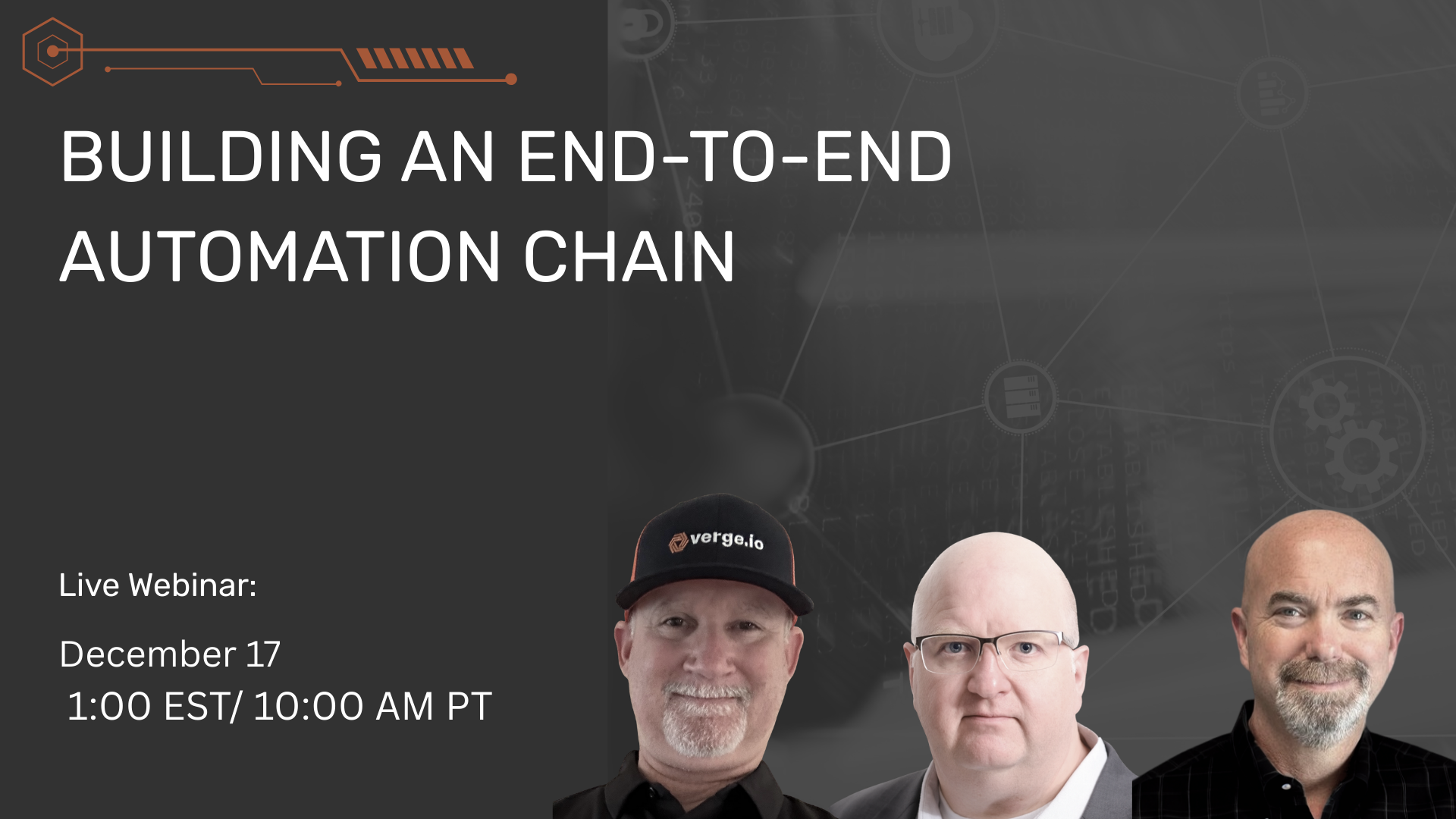
Live Webinar — Learn:
1. How Packer Standardizes Image Creation
See how automated golden images reduce operational variation and improve security across multi-site deployments.
2. How Terraform Provisions VergeOS Infrastructure
Understand how existing Terraform deployments can reference Packer-built images to streamline VDC, VM, and network creation.
3. How Ansible Applies Configuration and Controls Drift
Learn how repeatable configuration enables predictable behavior for workloads, tenants, and environments.