• Skip to main content
  • Architecture
    • Overview
      Learn about VergeOS’ unique unfied architecture that integrates virtualization, storage, networking, AI, backup and DR into a single data center operating system
    • Infrastructure Wide Deduplication
      VergeOS transforms deduplication from a storage-only commodity into a native, infrastructure-wide capability that spans storage, virtualization, and networking, eliminating hidden resource taxes
    • VergeFS
      VergeFS is a distributed, high-performance global file system integrated into VergeOS, unifying storage across nodes, tiers, and workloads while eliminating the need for external SANs
    • VergeFabric
      VergeFabric is VergeOS’s integrated virtual networking layer, delivering high-speed, low-latency communication across nodes while eliminating the complexity of traditional network configurations.
    • Infrastructure Automation
      VergeOS integrates Packer, Terraform, and Ansible to deliver an end-to-end automation pipeline that eliminates infrastructure drift and enables predictable, scalable deployments.
    • VergeIQ
      Unlock secure, on-premises generative AI—natively integrated into VergeOS. With VergeIQ, your enterprise gains private AI capabilities without the complexity, cloud dependency, or token-based pricing.
  • Features
    • Virtual Data Centers
      A VergeOS Virtual Data Center (VDC) is a fully isolated, self-contained environment within a single VergeOS instance that includes its own compute, storage, networking, and management controls
    • High Availability
      VergeOS provides a unified, easy-to-manage infrastructure that ensures continuous high availability through automated failover, storage efficiency, clone-like snapshots, and simplified disaster recovery
    • ioClone
      ioClone utilizes global inline deduplication and a blockchain-inspired file system within VergeFS to create instant, independent, space-efficient, and immutable snapshots of individual VMs, volumes, or entire virtual data centers.
    • ioReplicate
      ioReplicate is a unified disaster-recovery solution that enables simple, cost-efficient DR testing and failover via three‑click recovery of entire Virtual Data Centers—including VMs, networking, and storage.
    • ioFortify
      ioFortify creates immutable, restorable VDC checkpoints and provides proactive ransomware detection with instant alerts for rapid recovery and response.
    • ioMigrate
      ioMigrate enables large-scale VMware migrations, automating the rehosting of hundreds of VMs (including networking settings) in seconds with minimal downtime by seamlessly transitioning entire VMware environments onto existing hardware stacks.
    • ioProtect
      ioProtect offers near-real-time replication of VMware VMs—including data, network, and compute configurations—to a remote disaster‑recovery site on existing hardware, slashing DR costs by over 60% while supporting seamless failover and testing in an efficient, turnkey VergeOS Infrastructure.
    • ioOptimize
      ioOptimize leverages AI and machine learning to seamlessly integrate new and old hardware and automatically migrate workloads from aging or failing servers.
  • IT Initiatives
    • VMware Alternative
      VergeOS offers seamless migration from VMware, enhancing performance and scalability by consolidating virtualization, storage, and networking into a single, efficient platform.
    • Hyperconverged Alternative
      VergeIO’s page introduces ultraconverged infrastructure (UCI) via VergeOS, which overcomes HCI limitations by supporting external storage, scaling compute and storage independently, using existing hardware, simplifying provisioning, boosting resiliency, and cutting licensing costs.
    • SAN Replacement / Storage Refresh
      VergeIO’s storage by replacing aging SAN/NAS systems within its ultraconverged infrastructure, enhancing security, scalability, and affordability.
    • Infrastructure Modernization
      Legacy infrastructure is fragmented, complex, and costly, built from disconnected components. VergeOS unifies virtualization, storage, networking, data protection, and AI into one platform, simplifying operations and reducing expenses.
    • Virtual Desktop Infrastructure (VDI)
      VergeOS for VDI delivers a faster, more affordable, and easier-to-manage alternative to traditional VDI setups—offering organizations the ability to scale securely with reduced overhead
    • Secure Research Computing
      VergeIO's Secure Research Computing solution combines speed, isolation, compliance, scalability, and resilience in a cohesive platform. It’s ideal for institutions needing segmented, compliant compute environments that are easy to deploy, manage, and recover.
    • Venues, Remote Offices, and Edge
      VergeOS delivers resiliency and centralized management across Edge, ROBO, and Venue environments. With one platform, IT can keep remote sites independent while managing them all from a single pane of glass.
  • Blog
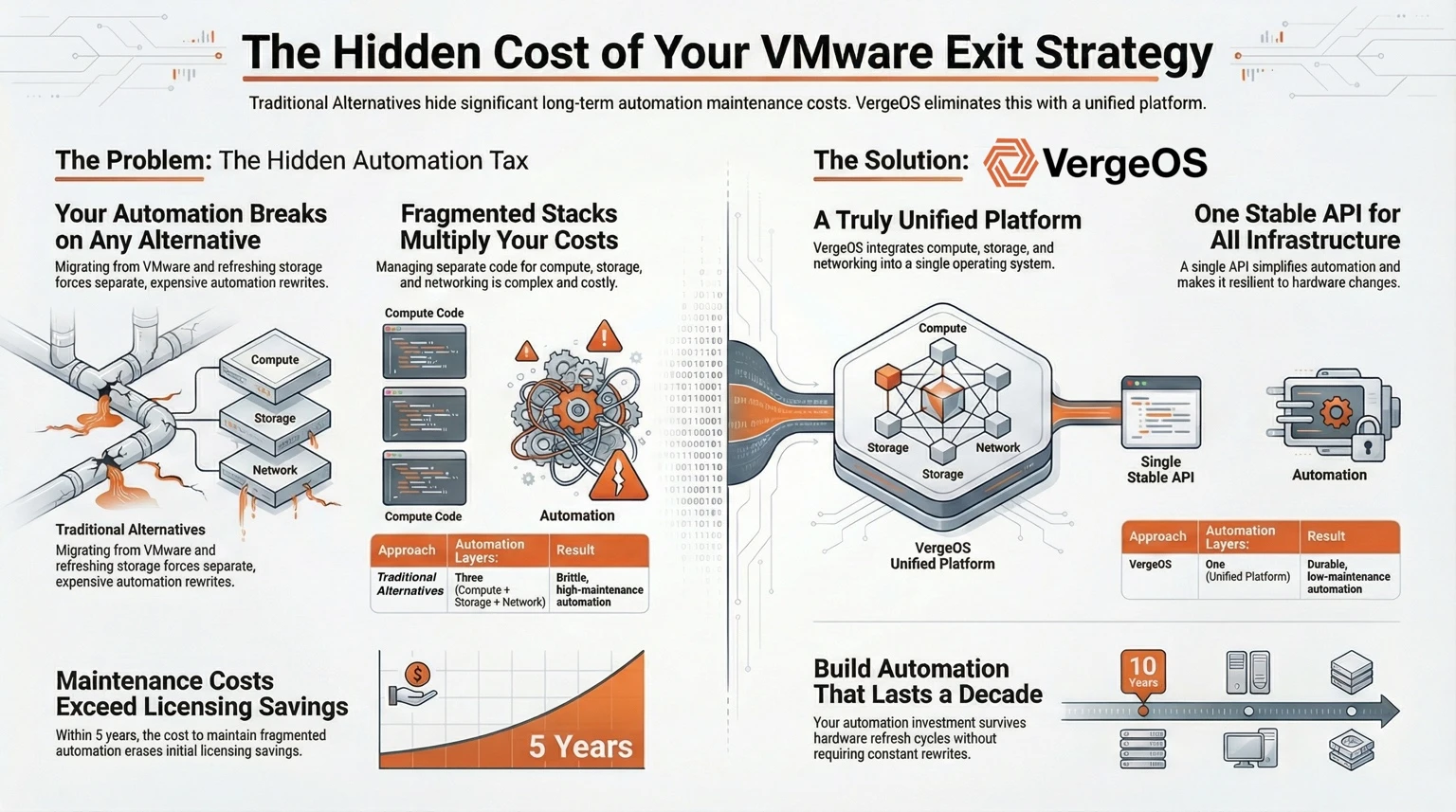
      • Fragmented Infrastructure Breaks AutomationTraditional virtualization stacks force complexity into automation pipelines. Packer requires multiple image variants. Terraform modules fill with conditional logic. Ansible roles need hardware detection for every cluster. VergeOS changes this by abstracting services from hardware, giving teams one API and consistent behavior across environments. Automation becomes predictable, not brittle.
      • The Proxmox Storage TaxHere is a clean 35-word excerpt: Excerpt (35 words): Proxmox’s zero licensing cost hides a growing storage tax created by ZFS, Ceph, and external arrays. Capacity waste, expertise demands, and operational overhead increase costs. VergeOS removes these taxes through global deduplication and unified architecture.
      • Comparing Proxmox to VergeOSComparing Proxmox to VergeOS highlights how platform architecture shapes the success of a VMware replacement strategy. Proxmox assembles independent components that require manual alignment, while VergeOS delivers a unified Infrastructure Operating System. This article explains how these differences influence mobility, availability, scaling, and long-term operational stability.
    • View All Posts
  • Resources
    • Become a Partner
      Get repeatable sales and a platform built to simplify your customers’ infrastructure.
    • Technology Partners
      Learn about our technology and service partners who deliver VergeOS-powered solutions for cloud, VDI, and modern IT workloads.
    • White Papers
      Explore VergeIO’s white papers for practical insights on modernizing infrastructure. Each paper is written for IT pros who value clarity, performance, and ROI.
    • In The News
      See how VergeIO is making headlines as the leading VMware alternative. Industry analysts, press, and partners highlight our impact on modern infrastructure.
    • Press Releases
      Get the latest VergeOS press releases for news on product updates, customer wins, and strategic partnerships.
    • Case Studies
      See how organizations like yours replaced VMware, cut costs, and simplified IT with VergeOS. Real results, real environments—no fluff.
    • Webinars
      Explore VergeIO’s on-demand webinars to get straight-to-the-point demos and real-world infrastructure insights.
    • Documents
      Get quick, no-nonsense overviews of VergeOS capabilities with our datasheets—covering features, benefits, and technical specs in one place.
    • Videos
      Watch VergeIO videos for fast, focused walkthroughs of VergeOS features, customer success, and VMware migration strategies.
    • Technical Documentation
      Access in-depth VergeOS technical guides, configuration details, and step-by-step instructions for IT pros.
  • How to Buy
    • Schedule a Demo
      Seeing is beleiving, set up a call with one of our technical architects and see VergeOS in action.
    • Versions
      Discover VergeOS’s streamlined pricing and flexible deployment options—whether you bring your own hardware, choose a certified appliance, or run it on bare metal in the cloud.
    • Test Drive – No Hardware Required
      Explore VergeOS with VergeIO’s hands-on labs and gain real-world experience in VMware migration and data center resiliency—no hardware required
  • Company
    • About VergeIO
      Learn who we are, what drives us, and why IT leaders trust VergeIO to modernize and simplify infrastructure.
    • Support
      Get fast, expert help from VergeIO’s support team—focused on keeping your infrastructure running smoothly.
    • Careers
      Join VergeIO and help reshape the future of IT infrastructure. Explore open roles and growth opportunities.
  • 855-855-8300
  • Contact
  • Search
  • 855-855-8300
  • Contact
  • Search
  • Architecture
    • Overview
    • VergeFS
    • VergeFabric
    • Infrastructure Automation
    • VergeIQ
  • Features
    • Virtual Data Centers
    • High Availability
    • ioClone
    • ioReplicate
    • ioFortify
    • ioMigrate
    • ioProtect
    • ioOptimize
  • IT Initiatives
    • VMware Alternative
    • Hyperconverged Alternative
    • SAN Replacement / Storage Refresh
    • Infrastructure Modernization
    • Virtual Desktop Infrastructure (VDI)
    • Secure Research Computing
    • Venues, Remote Offices, and Edge
  • Blog
  • Resources
    • Become a Partner
    • Technology Partners
    • White Papers
    • In The News
    • Press Releases
    • Case Studies
    • Webinars
    • Documents
    • Videos
    • Technical Documentation
  • How to Buy
    • Schedule a Demo
    • Versions
    • Test Drive – No Hardware Required
  • Company
    • About VergeIO
    • Support
    • Careers
×
  • Architecture
    • Overview
    • VergeFS
    • VergeFabric
    • Infrastructure Automation
    • VergeIQ
  • Features
    • Virtual Data Centers
    • High Availability
    • ioClone
    • ioReplicate
    • ioFortify
    • ioMigrate
    • ioProtect
    • ioOptimize
  • IT Initiatives
    • VMware Alternative
    • Hyperconverged Alternative
    • SAN Replacement / Storage Refresh
    • Infrastructure Modernization
    • Virtual Desktop Infrastructure (VDI)
    • Secure Research Computing
    • Venues, Remote Offices, and Edge
  • Blog
  • Resources
    • Become a Partner
    • Technology Partners
    • White Papers
    • In The News
    • Press Releases
    • Case Studies
    • Webinars
    • Documents
    • Videos
    • Technical Documentation
  • How to Buy
    • Schedule a Demo
    • Versions
    • Test Drive – No Hardware Required
  • Company
    • About VergeIO
    • Support
    • Careers

Automated Infrastructure

Packer, Terraform, and Ansible Integration for VergeOS

An Integrated Infrastructure Operating System That Makes Automation a Reality

Build a Predictable and Automated Infrastructure Pipeline
automated_infra_ans_pack_terra

Modern IT teams want predictable deployments, consistent environments, and a reliable model for scaling infrastructure without expanding headcount. Traditional infrastructure automation workflows make this problematic. Multiple APIs make cross-functional automation complex; templates age, scripts break, and manual provisioning introduces drift that spreads across clusters and regions.

VergeOS Supports Packer, Terraform, Ansible

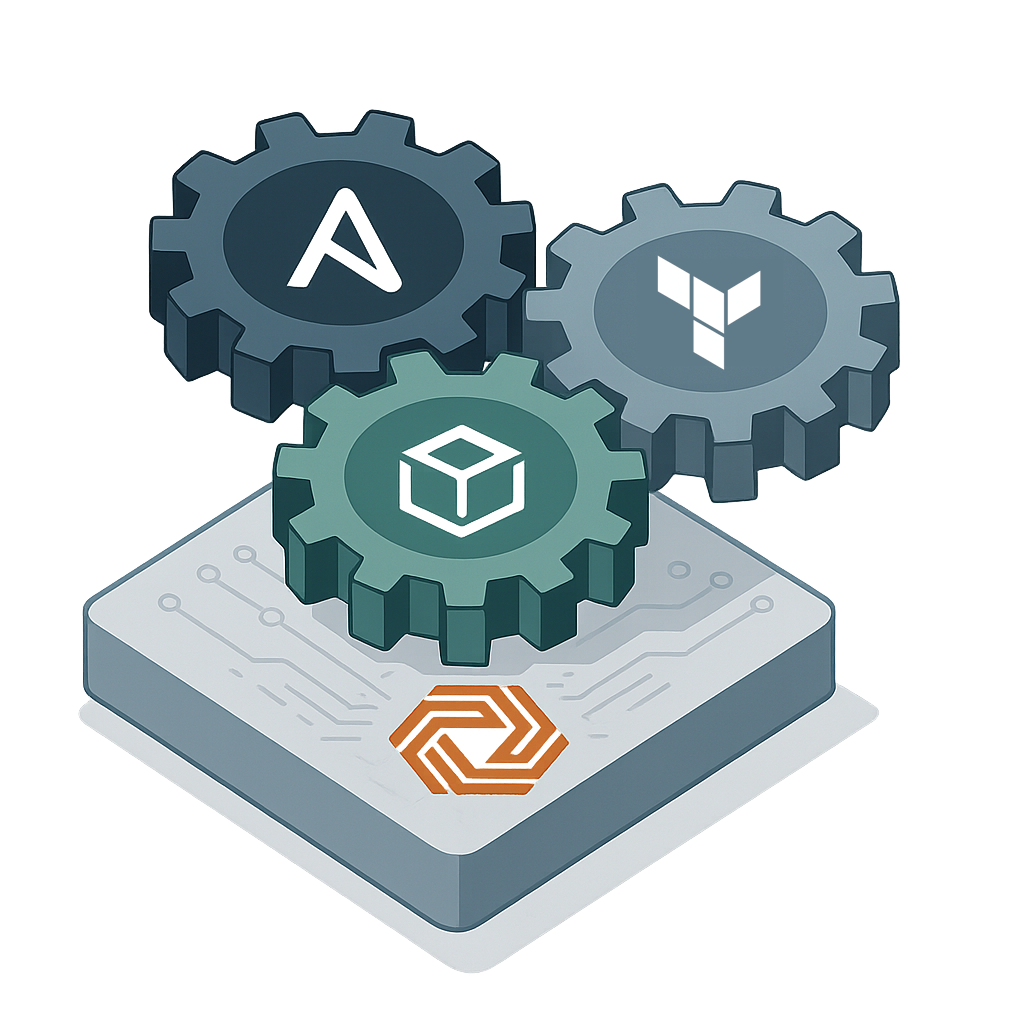
VergeOS now supports Packer, Terraform, and Ansible, as first-class automation tools. Together, they form the backbone of an end-to-end automation chain that eliminates drift, standardizes deployments, and strengthens long-term operational discipline.

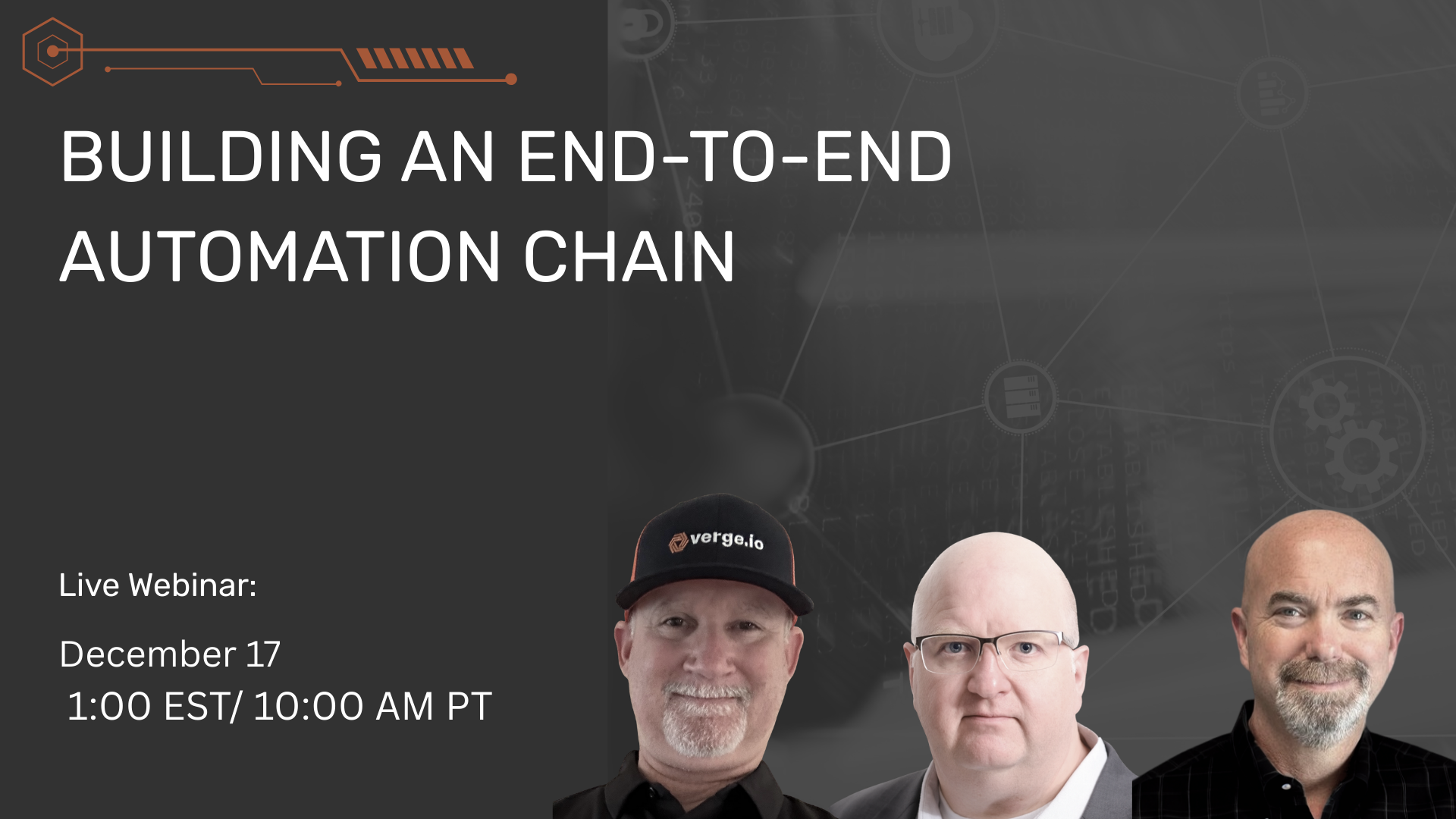
Join VergeIO for a deep-dive session introducing the new automation capabilities coming to VergeOS, including support for Packer and Ansible. This webinar explains how these additions create an end-to-end infrastructure automation chain that helps Enterprise IT and CSPs deploy infrastructure with consistency, clarity, and speed. Register Here

Automation Begins with the Image Pipeline

Packer Integration with VergeOS

An infrastructure platform becomes predictable only when every VM begins with a consistent baseline. Packer formalizes this process by treating the base image as code.

With VergeOS Packer integration, teams can:

  • Build version-controlled images for Linux and Windows
  • Embed early configuration elements such as agents, logging utilities, time sync policies, and hypervisor integration hooks
  • Track updates through Git to maintain a clear lineage of every deployed VM
  • Align image refresh cycles with patch windows and release schedules
  • Reduce downstream configuration work by standardizing the starting point

A controlled image pipeline eliminates one-off templates and removes uncertainty as environments expand or modernize.

image_pipeline

Images establish the foundation, but the infrastructure that supports them must be reliable and repeatable. Terraform turns infrastructure into code so it can be deployed, updated, and audited with precision.

With Terraform on VergeOS, teams can:

  • Define VDCs, networks, subnets, storage policies, and VM specifications in code
  • Rebuild or modify infrastructure predictably based on the declared state
  • Deploy multi-cluster or multi-region environments from a single module set
  • Version-control infrastructure definitions for traceability and governance
  • Integrate seamlessly with Packer-built images and Ansible configuration workflows

Terraform ensures that every deployment—whether new capacity, a fresh cluster, or a DR site—follows the same consistent blueprint.

Confidently Define and Deploy Infrastructure

Terraform Integration with VergeOS

define_deploy_confidently
tuned_os_images_ansibil_vergeos

Configuration without Drift

Ansible Integration with VergeOS

Even the best infrastructure and image pipelines require consistent configuration. Scripts help temporarily but often fail at scale or during change. Ansible provides code-driven configuration that remains repeatable across environments and over time.

With VergeOS Ansible integration, teams can:

  • Apply OS hardening and security baselines
  • Deploy application stacks, middleware, and services
  • Enforce repeatable configuration across clusters
  • Use Terraform’s inventory output to accurately target hosts
  • Track changes through version control for auditability and compliance

Ansible removes configuration drift, stabilizes runtime environments, and creates a durable, testable configuration layer.

The End-to-End Automation Chain

How Packer, Terraform, and Ansible Work Together

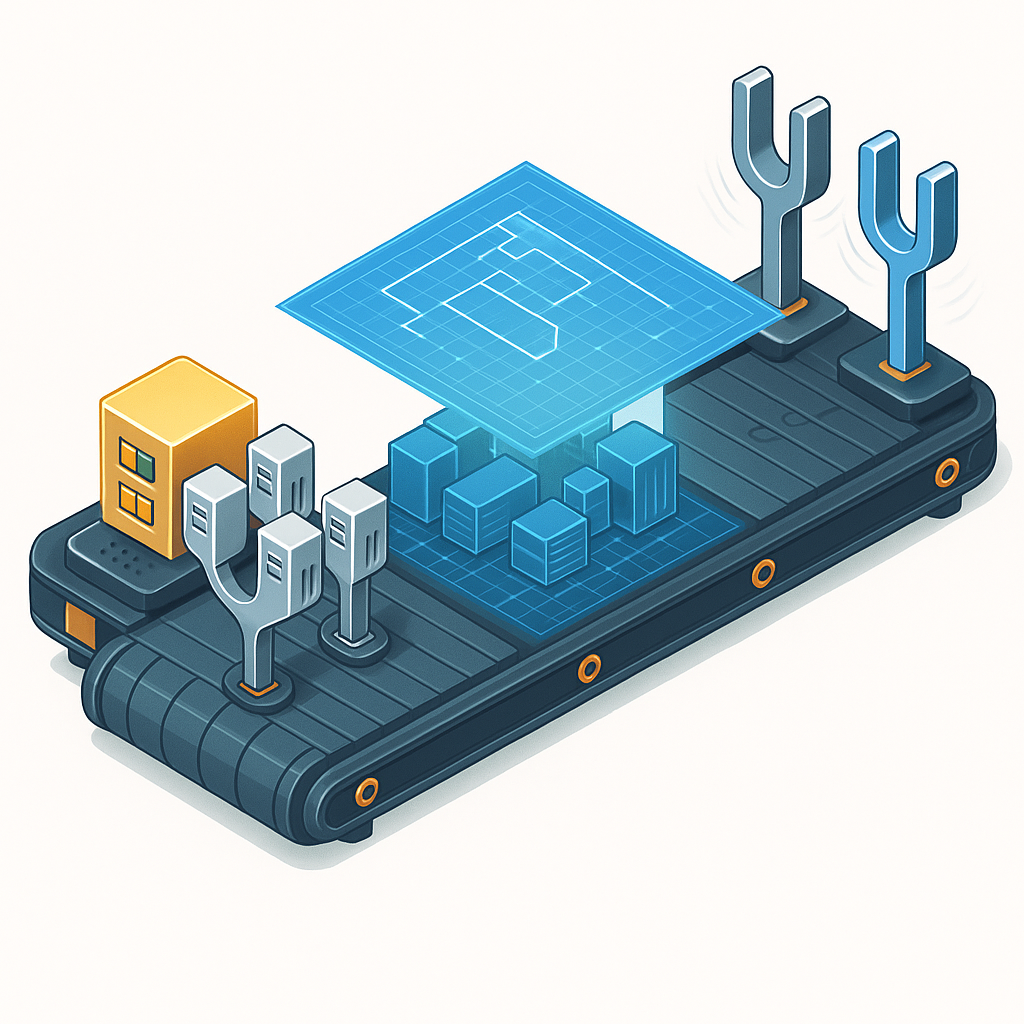
Each tool individually improves part of the environment. Together, they form a complete automation pipeline:

1. Packer builds a controlled, versioned golden image.
2. Terraform deploys infrastructure using that image and defines its resources.
3. Ansible configures the operating system and applications after provisioning.

Each stage outputs a controlled artifact. Each update follows a defined lifecycle. The virtual environment gains structure rather than accumulating exceptions.
end_to_end_automation

Unified Infrastructure OS Enables the Pipeline

VergeOS as the Substrate for Predictable Automation
vergeos_automation_platform2

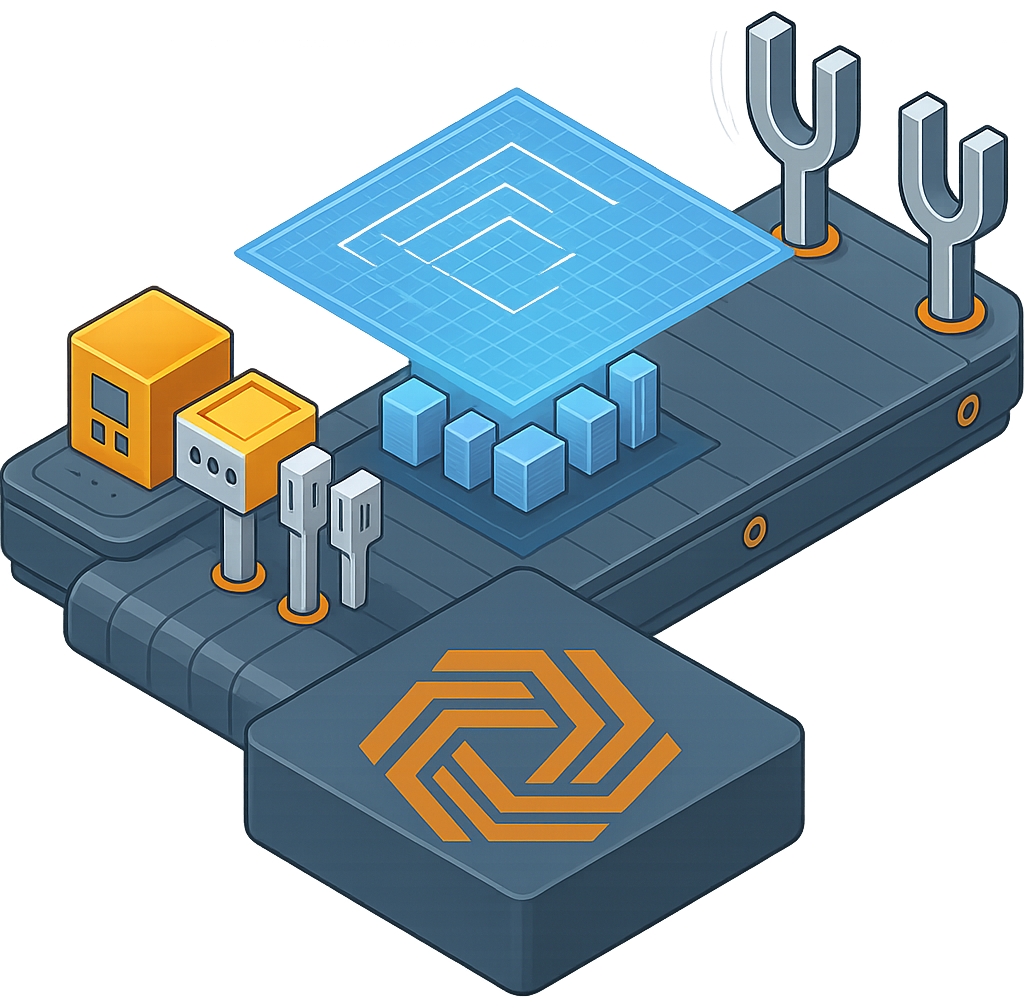
Traditional virtualization stacks rely on external storage arrays, distributed switches, and separate management planes. Automation must account for the inconsistencies each component introduces. Drift grows, and pipelines become brittle.

VergeOS eliminates these variables.

By unifying compute, storage, and networking into a single infrastructure operating system, VergeOS:

  • Removes dependency on external arrays and fabrics
  • Reduces the number of resource definitions Terraform must manage
  • Simplifies Packer images due to fewer hypervisor-specific adjustments
  • Ensures consistent network and storage behavior across nodes
  • Gives Packer, Terraform, and Ansible a stable, predictable foundation

Automation becomes easier to adopt and more resilient across hardware generations, cluster expansions, and DR regions.

Exit VMware to an Easily Automated Infrastructure

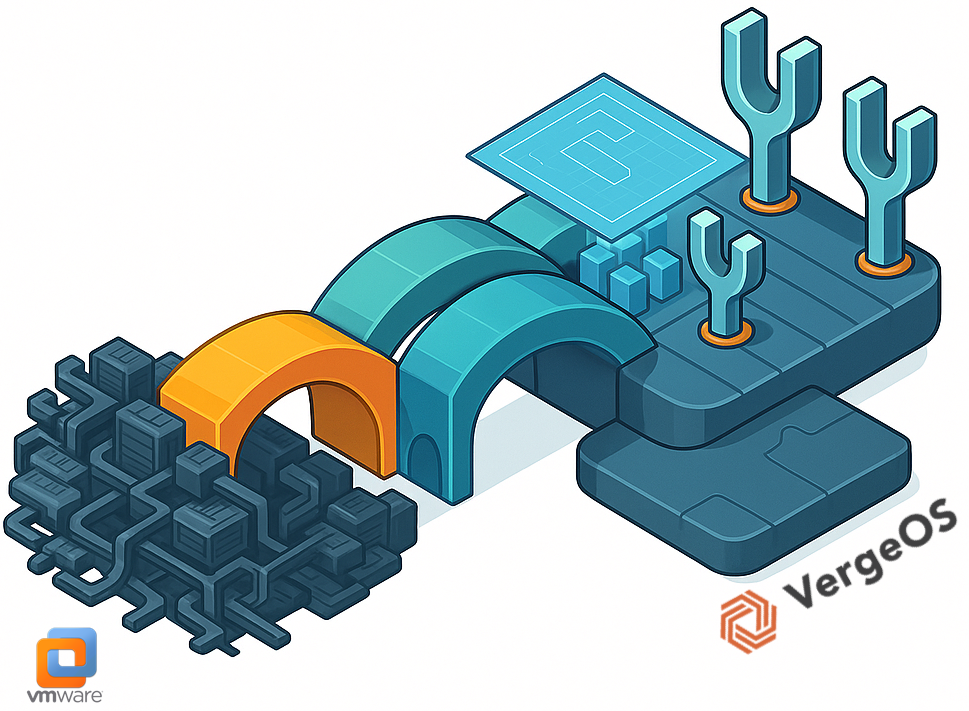
Organizations leaving VMware need more than just a new hypervisor—they need a disciplined operational model to prevent drift from returning. VergeOS, paired with Packer, Terraform, and Ansible, delivers that model.

The automation pipeline provides:

  • Defined image lineage
  • Repeatable infrastructure blueprints
  • Consistent configuration across environments
  • Predictable deployment and recovery behavior

Teams gain a modern platform and a lifecycle that preserves order at scale.
vmware_to_vergeos_automation
automation_webinar_banner

Live Webinar — Learn:

1. How Packer Standardizes Image Creation
See how automated golden images reduce operational variation and improve security across multi-site deployments.

2. How Terraform Provisions VergeOS Infrastructure
Understand how existing Terraform deployments can reference Packer-built images to streamline VDC, VM, and network creation.

3. How Ansible Applies Configuration and Controls Drift
Learn how repeatable configuration enables predictable behavior for workloads, tenants, and environments.

Do I need to use all three tools (Packer, Terraform, and Ansible)?

No. Teams can adopt these tools incrementally. Many organizations start with Packer to establish controlled image pipelines, then add Terraform for infrastructure as code, and finally incorporate Ansible for configuration management. Each tool delivers value independently, but the full automation chain provides the most predictable outcomes.

Will my existing Packer templates, Terraform modules, and Ansible roles work with VergeOS?

VergeOS provides native Terraform providers, Ansible modules, and Packer builders designed specifically for the platform. Existing automation logic can be migrated and typically becomes simpler because VergeOS eliminates the vendor-specific conditionals and hardware exceptions required on traditional infrastructure. Teams often find that their automation code becomes cleaner during migration.

How does VergeOS simplify automation compared to traditional virtualization stacks?

Traditional stacks require separate APIs for storage arrays, network fabrics, and hypervisor management. VergeOS provides a single API for all infrastructure services. This eliminates conditional logic in Terraform modules, reduces Packer image variants, and removes hardware detection from Ansible roles. Automation becomes more maintainable and portable across environments.

Can I use these tools for both traditional workloads and AI infrastructure?

Yes. VergeOS treats AI as a software service within the same platform. Teams use the same Packer images, Terraform modules, and Ansible roles for AI workloads as they do for traditional applications. This eliminates the need for separate automation pipelines and operational procedures for AI infrastructure.

What happens to my automation when I add new hardware or refresh clusters?

VergeOS abstracts infrastructure services from hardware. New servers join clusters without requiring updates to Packer templates, Terraform modules, or Ansible roles. The automation code remains stable across hardware generations because VergeOS handles hardware variations at the platform level.

How do Packer, Terraform, and Ansible integrate with each other on VergeOS?

The tools form a sequential pipeline. Packer creates version-controlled golden images. Terraform provisions infrastructure using those images and outputs inventory data. Ansible consumes that inventory to apply the configuration. Each stage produces artifacts that feed the next, creating a complete automation lifecycle from image to running application.

Is this automation model suitable for multi-cluster or multi-region deployments?

Yes. VergeOS enables identical automation across all locations. The same Terraform modules deploy infrastructure in production, DR sites, and remote clusters. Packer images work universally. Ansible roles apply consistent configuration everywhere. Teams maintain one set of automation definitions rather than location-specific branches.

What's required to get started with automation on VergeOS?

Teams need the VergeOS Terraform provider, Ansible collection, and Packer builder, all available through standard distribution channels (Terraform Registry, Ansible Galaxy, Packer plugins). VergeOS documentation includes examples and reference architectures. Most teams start with a pilot project on a single layer (typically Packer) before expanding to full pipeline automation.

How does this approach benefit organizations migrating from VMware?

VMware migrations often inherit legacy complexity through manual templates and fragmented automation. Starting fresh with VergeOS, Packer, Terraform, and Ansible establishes disciplined operational practices from day one. Teams define infrastructure as code, create version-controlled images, and enforce consistent configuration—preventing the drift that complicated the VMware environment.

What support is available for implementing this automation stack?

VergeOS provides comprehensive documentation, example templates, and reference architectures for Packer, Terraform, and Ansible integration. The VergeOS support team assists with implementation questions, and the customer community shares automation patterns and best practices. Professional services are available for organizations requiring hands-on assistance with automation design and deployment.

855-855-8300

Get Started

  • Versions
  • Request Tour

VergeIO For

  • VMware Alternative
  • SAN Replacement
  • Solving Infrastructure Modernization Challenges
  • Artificial Intelligence
  • Hyperconverged
  • Server Room
  • Secure Research Computing

Product

  • Benefits
  • Documents
  • Architecture Overview
  • Use Cases
  • Videos

Company

  • About VergeIO
  • Blog
  • Technical Documentation
  • Legal

© 2025 VergeIO. All Rights Reserved.